 Skip to the content

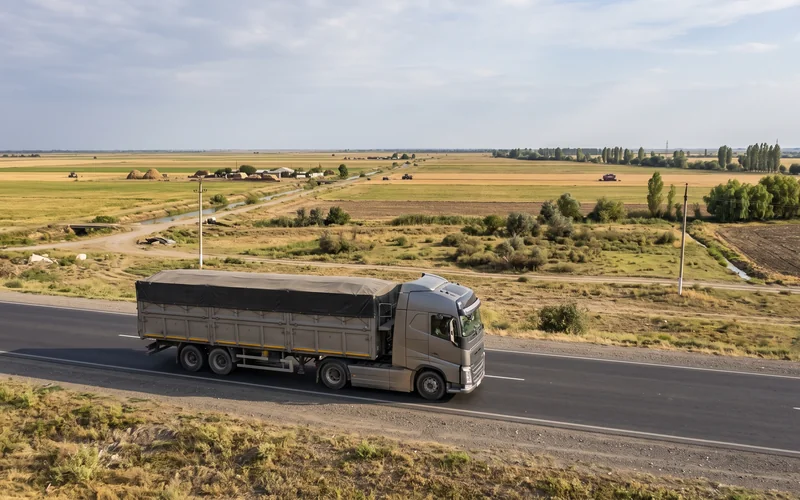
TIR cargo transportation in Zardab: grain and cotton haulage
TIR cargo transportation in Zardab serves as a vital logistics backbone connecting the agricultural powerhouse of the Central Aran region with key domestic hubs and international export routes. Situated in the fertile plains of Azerbaijan, Zardab District yields significant harvests of cereals, raw cotton, forage crops, and livestock products. Transporting these bulk commodities safely and on schedule demands heavy-duty articulated vehicles capable of handling high tonnages across diverse road conditions while maintaining cargo integrity.
Strategic significance of TIR cargo transportation in Zardab for agribusiness
The intensive agricultural profile of the region requires robust freight support, particularly during peak harvest campaigns when thousands of tonnes of produce must be evacuated from fields to processing facilities and warehouses.
Bulk and bagged grain haulage across Azerbaijan
Wheat and barley cultivated across Zardab farms are distributed to major flour mills, storage elevators, and feed production plants throughout the country. Reliable transportation is carried out using dedicated bulk grain tippers and high-capacity curtain-side trailers. Waterproof PVC tarpaulins protect sensitive grain shipments from moisture, dust, and contamination, preserving commercial value during long-haul transit.
Raw cotton and ginned lint transport
Cotton farming represents a foundational pillar of Zardab’s rural economy. Transporting harvested raw cotton to regional ginning mills and shipping compressed lint bales to textile manufacturing hubs in Baku, Mingachevir, or Sumgayit requires high-volume mega trailers (up to 120 cubic meters). Due to the flammable characteristics of cotton bales, vehicles are equipped with certified spark arrestors, fire suppression gear, and heavy-duty load-securing straps.
Livestock feed, dairy products, and refrigerated goods
As a notable center for cattle breeding, Zardab requires steady inflows and internal movement of pressed alfalfa bales, silage, and compound animal feed. Simultaneously, perishable dairy and meat products require rapid dispatch under strictly regulated temperatures using isotherm and refrigerated trailers.
Geographic connectivity and primary arterial routes of Zardab District
Zardab District lies along the banks of the Kura River in central Azerbaijan, benefiting from direct links to regional transport networks. The district is served by the R18 Mingachevir–Bahramtapa highway and the R25 Ujar–Zardab road, which provides direct access to the nation’s principal east-west arterial corridor: the M2 Baku–Alat–Gazakh–Georgia border motorway.
This advantageous transit positioning means that TIR cargo transportation in Zardab allows seamless access to the Baku International Sea Trade Port at Alat, the western industrial centers around Ganja, and southern border crossings toward Iran. Well-connected road arteries minimize transit times and reduce vehicle operational wear.
Heavy vehicle fleet: trailer specifications and loading capacities
A versatile fleet of commercial vehicles is deployed to match the distinct handling criteria of regional freight categories:
- Standard Euro-tent and mega trailers (86–120 m³): Ideal for palletized freight, big bags, industrial supplies, and compressed cotton bales, offering multi-directional loading capabilities.
- Refrigerated reefer semi-trailers: Equipped with advanced cooling units (Thermo King, Carrier) capable of maintaining steady temperatures between -20°C and +12°C for meat, dairy, and seasonal produce.
- Drop-side flatbeds and open platforms: Tailored for heavy farm machinery, structural materials, steel rebars, and oversized forage bales.
- Bulk grain hoppers and tipping chassis: Configured for accelerated bulk discharge at receiving silos, eliminating the need for manual handling.
Modern tractor units such as Scania, MAN, Mercedes-Benz Actros, and DAF are deployed, ensuring that TIR cargo transportation in Zardab meets stringent European mechanical and roadworthiness standards.
Axle load compliance and freight safety protocols in Azerbaijan
Operating heavy commercial vehicles on Azerbaijani highways involves strict regulatory oversight. In accordance with national transport regulations, permissible single-axle loads are set between 10.0 and 11.5 tonnes, with a maximum permissible gross vehicle weight of 40 tonnes for five-axle articulated combinations. Compliance prevents pavement degradation and eliminates costly roadside fines.
Professional carriers place great emphasis on payload distribution, certified lashing techniques, and strict customs documentation including consignment notes and phytosanitary certificates, ensuring that TIR cargo transportation in Zardab proceeds smoothly past automatic weigh-in-motion check stations.
Freight rate variables and personalized logistics planning
Freight rates for full truckload shipping are calculated individually based on cargo and operational parameters rather than fixed tariffs. Key pricing drivers include:
- Total haulage distance and transit terrain difficulty;
- Gross cargo weight, physical volume, and loading dimensions;
- Trailer configuration required (tilt, refrigerated box, open platform);
- Loading and discharge turnaround times;
- Seasonal fluctuations in transport demand and fuel price indices.
By conducting thorough route assessments, companies ordering TIR cargo transportation in Zardab benefit from competitive commercial quotations tailored to their specific operational schedules and budget parameters.
Frequently asked questions about TIR freight in Zardab
What is the typical transit duration from Zardab to Baku?
Under standard traffic conditions, heavy trucks cover the route between Zardab and Baku in approximately 5 to 7 hours, allowing for same-day delivery.
What documentation is needed for transporting agricultural commodities?
Domestic shipments require a standard bill of lading (waybill) and phytosanitary certificates for unprocessed crops. International movements require CMR consignment documentation and customs transit declarations.
Can temperature-controlled reefers be scheduled on short notice during harvest?
Yes, reefer equipment can be dispatched with pre-cooled cargo holds to safeguard perishable dairy, fruits, and meat according to requested schedules.
Is cargo insurance provided during transit?
All carriers maintain mandatory carrier liability insurance (CMR insurance), with options for full all-risks cargo coverage upon customer request.
For dependable freight forwarding and professional truck allocation, partner with the experienced logistics team at Yuk.az to receive a tailored route plan and a prompt quote for your heavy transport needs.
Related service: Moving and cargo services — to get a price, call 050 209 62 99.

Related posts
Cargo transportation in Hajigabul: reliable moving service
Cargo transportation in Hajigabul is a vital logistics link supporting residenti

Outdoor and garden furniture moving: weather protection guide
Outdoor and garden furniture moving is a critical task for homeowners transition

Professional Rubbish Removal Service | Fast and Reliable
The cleanliness of any city and residential area is undeniably one of the most c


Leave a Reply