

Food and grocery transport — for supermarkets and restaurants
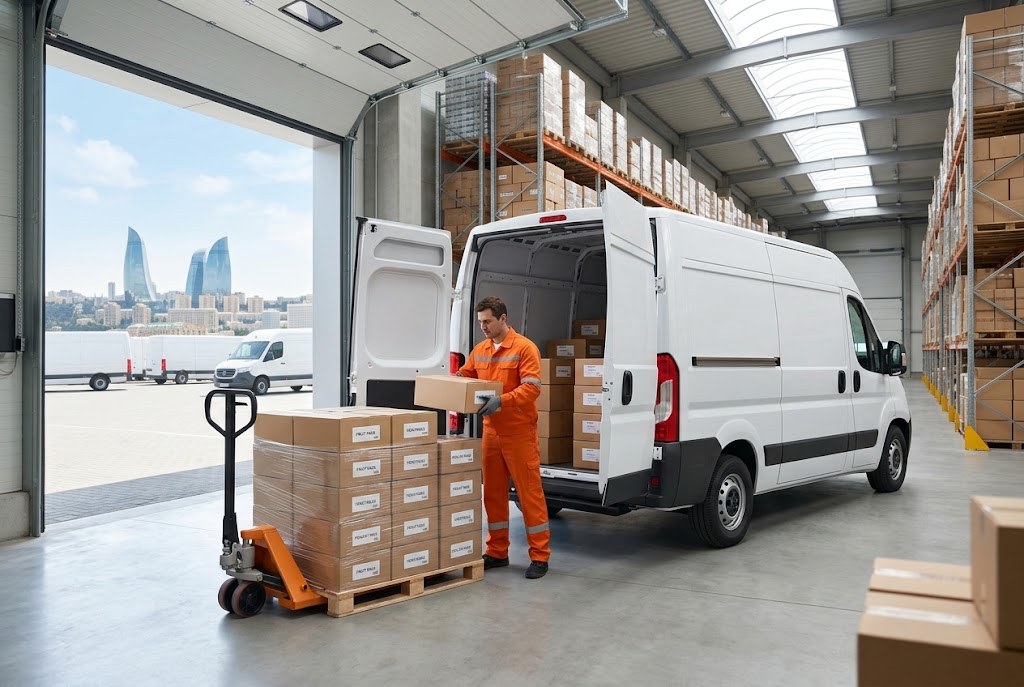
Grocery transport for supermarkets, restaurants and cafés: flour, rice, canned goods, drinks, dry food and packaged food products are taken from the warehouse to the point of sale. The truck body is clean, and food cargo never travels in the same vehicle as construction materials.
- The truck body is cleaned before each trip
- Food cargo is transported separately
- Regular schedule for supermarkets and restaurants
- Boxes are handed over with a count
Free insurance
Every order is insured
Fixed price
The amount quoted on the call does not change
24/7 orders
Nights, weekends, holidays
Materials provided by us
Stretch film, cardboard, straps
Work included in the price
Clean truck body
Before food transport, the truck body is checked and cleaned.
Separate cargo
Groceries are not transported with chemical or construction cargo.
Protecting the packaging
Boxes are stacked and secured correctly so they don't get crushed.
Counting
The number of boxes is checked during loading and unloading.
Loading team
Loading and unloading are included in the price.
On-time delivery
The departure time is agreed and kept.
From order to handover — 4 steps
Call or form
The type and volume of products and the addresses are confirmed.
Price and schedule
The amount is given, and a schedule is set up if regular trips are needed.
Loading
At the warehouse, boxes are counted as they are loaded into a clean truck body.
Handover
Handed over with a count at the supermarket or restaurant.
What affects the price
No made-up rates: the amount is calculated on the call based on these factors and does not change when the move is finished.
- Volume and weight of the cargo
- Number of addresses and distance
- Regularity of trips
- Whether refrigeration is required
- Whether movers are needed
Which rules apply to grocery transport
Food and grocery transport differs significantly from ordinary cargo transport in one respect: cleanliness. Cement dust, a chemical smell or moisture left in the truck body from a previous load can make food unusable.
On food trips Yük.az checks and cleans the truck body in advance and does not carry groceries in the same vehicle as construction materials or chemicals. Heavy loads are not placed on top of lighter ones so boxes don’t get crushed.
A regular schedule can be set up for supermarkets, restaurants and cafés — a trip at the same time on certain days of the week. This makes supply predictable.
For products that need refrigeration there is a separate refrigerated transport service — this should be noted when ordering.
The main difference between grocery transport and other cargo is the condition of the truck body. Cement dust, chemical smells or moisture from a previous trip can get through the packaging and spoil the product. That is why before a food trip the truck body is checked and cleaned, and mixed loads are not accepted.
The second rule is the stacking order. Heavy sacks — flour, rice, sugar — go at the bottom, while eggs, canned goods and glass containers go on top. When this simple rule is broken, part of the batch arrives crushed and unfit for sale.
Routing and compatibility rules in grocery transport
For supermarkets and restaurants the most convenient format is a regular schedule. A vehicle arriving at the same time on certain days of the week makes warehouse work predictable: a receiving shift is organised and staff time isn’t wasted.
Products that need refrigeration belong to a separate service — refrigerated transport is ordered for them. If products requiring a cold chain are to be sent together with dry food and canned goods, this should be mentioned on the call.
For grocery shipments the time window is planned separately. Stores and restaurants have limited receiving hours, and a late vehicle waits in the queue. That is why the route is built around receiving hours, with early-opening points placed first.
The type of product determines which goods can travel together. Products with strong odours are not loaded openly next to bread and dairy products, and heavy boxes are not placed on top of soft packaging. These simple rules reduce damage during unloading.
Official requirements for the transport and storage of food products can be read on the website of the Food Safety Agency of Azerbaijan.
Most asked questions about this service
Yes, but this is a separate service — refrigerated transport. Note the temperature regime in your order.
The truck body is checked and cleaned before each food trip; food cargo is not mixed with chemical or construction cargo.
Yes. We set up regular trips by day of the week and time.
Yes. They are counted and confirmed during loading and unloading.
Yes. We transport to all regions — the departure time is agreed when you order.
Yes. The addresses are given in advance and the route is built around distance and the stores’ opening hours.
Yes. The cargo is received and handed over with a count; for corporate customers a contract and invoices are arranged.
Yes. Night and early-morning trips are planned for delivery before supermarkets open.
Yes. You give us the addresses, the route is built around receiving hours and goods are handed over with a count at each point.
