 Skip to the content


Preparing a Motorcycle for Transport and Handover Inspection Checklist
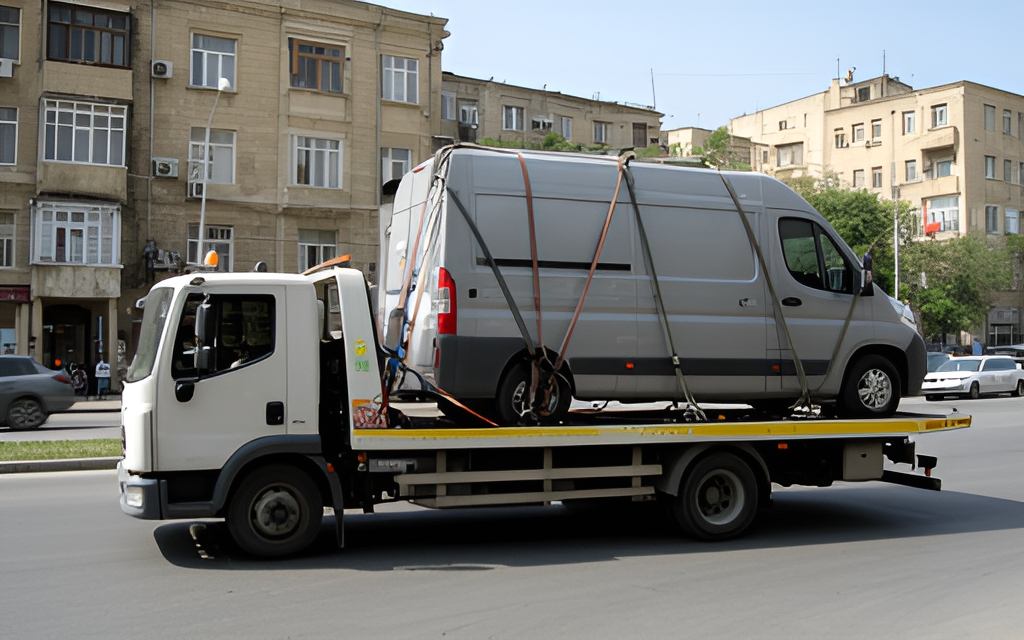
Transporting a two-wheeled vehicle across cities or regions requires a specialized approach where a dedicated maşın daşıma xidməti (vehicle transport service) plays a decisive role in ensuring safety. Unlike cars, motorcycles have an unstable vertical balance and delicate suspension dynamics. When arranging intercity transfers in Azerbaijan through Yuk.az, carrying out comprehensive pre-shipment preparation and a methodical handover checklist is essential to prevent cosmetic or mechanical damages.
1. Visual Inspection and Condition Photo-Documentation
Before handing over the motorcycle to the carrier, meticulous documentation of its initial state is mandatory. Wash the motorcycle thoroughly; fine dust and dirt can easily conceal hairline scratches, scuffs, or paint defects. Once dry, take high-resolution photos and video walkthroughs in clear daylight covering:
- The front fork, mudguards, and headlight assembly;
- Fairings, engine side-covers, and fuel tank finish;
- Exhaust pipes, mufflers, panniers, and rear tail-section;
- Handlebars, levers, control switches, and mirrors.
Document any pre-existing imperfections in close-up detail. Mechanically, reduce the fuel tank level to approximately 20-25% capacity to minimize hazardous vapor pressure and weight, and disconnect the battery if transporting over extended distances.
2. Dimension Measurement and Weight Assessment
Motorcycles vary widely depending on touring kits, extended handlebars, or tall windscreens. Before booking transport, measure three fundamental metrics:
- Overall Length: From the front tire edge to the tip of the rear fender or license plate bracket;
- Width: The widest point across the handlebars or hard saddlebags;
- Height: From the ground surface to the highest point of the windscreen or mirrors.
Knowing the curb weight allows logistics coordinators to allocate proper vehicle capacity and floor space.
How a Vehicle Transport Service Ensures the Right Carrier Selection
Professional cargo handling demands matching the motorcycle to the right transport platform. While open flatbeds can manage short local transfers, long-distance domestic shipping is safest in fully enclosed vans or curtain-sided bodies that shield fairings from road debris and weather. Crucial transporter specifications include:
- Ramp Angle: A shallow loading incline prevents the underside of the bike or oil pan from bottoming out during loading;
- Anchor Points: The deck must have rated flush-mounted D-rings capable of resisting dynamic lateral loads.
3. Professional Tie-Down and Restraint Protocols
Never allow a motorcycle to travel resting solely on its side stand or center stand, as repetitive road vibrations can bend the stand bracket or crack the engine casing. Proper restraint adheres to established tie-down strapping protocols and includes the following steps:
- Positioning the front tire securely into a rigid drive-in motorcycle wheel chock;
- Using a minimum of four heavy-duty ratchet tie-down straps with integrated soft loops to protect triple-clamp finishes;
- Compressing the front fork suspension by approximately 30-40% to prevent unhooking over road undulations without blowing fork seals;
- Anchoring the rear swingarm or subframe to prevent tail swing during heavy braking or cornering.
Delivery Handover Checklist
Upon arrival at the destination, complete this structured inspection prior to final sign-off:
- Friction Points: Inspect surfaces adjacent to ratchet straps for any signs of contact abrasion;
- Fluid Check: Examine the engine bottom, radiator lines, and front fork seals for oil or coolant seepage;
- Photo Verification: Re-examine the baseline photos taken before departure against the current bike condition;
- Controls and Alignment: Rotate the handlebars to full lock in both directions to verify smooth movement and intact cables.
Related service: Moving and cargo services — to get a price, call 050 209 62 99.

Related posts
Professional Rubbish Removal Service | Fast and Reliable
The cleanliness of any city and residential area is undeniably one of the most c

Mega trailer cargo transport rental: 100 m³ volume fleet
Professional mega trailer cargo transport rental is the ultimate logistics solut

Tow Truck Services in Siyazan: 24/7 Beshbarmag Mountain and Coastal Highway Rescue
When navigating the high-speed Caspian highway corridor or traversing the foothi


Leave a Reply