 Skip to the content


Handover Plan for the Transportation of Food Products
Domestic food distribution across Azerbaijan requires a structured logistical workflow to safeguard goods from dispatch to delivery. When organizing dry grocery freight, the transportation of food products relies heavily on a practical handover protocol rather than assumptions. Arranging freight movements via Yuk.az ensures that domestic transport operations are coordinated systematically. To prevent inventory loss or packaging degradation, shippers must establish a disciplined handover schedule, apply robust packaging methods, and match cargo to suitable transport vehicles.
Packaging Standards in the Transportation of Food Products
Ambient food items such as grains, pasta, canned vegetables, tea, and confectionery are resilient to normal transit conditions but remain susceptible to moisture, shifting loads, and ambient odor absorption. Maintaining basic food safety standards throughout the handling process requires strict compliance with packaging rules:
- Primary and Secondary Containment: Bulk commodities must be sealed in multi-ply moisture-resistant bags, while consumer packs must be grouped into rigid corrugated boxes designed for stacking.
- Pallet Unitization: Packages must be evenly stacked on undamaged wooden pallets without overhang. Overhanging edges lead to crushed corners during transit. Pallet loads must be securely wrapped with heavy-duty stretch film to maintain integrity.
- Handling Indicators: Shipments containing glass bottles or fragile containers must be marked clearly with handling icons to direct careful placement during manual or forklift loading.
Handover Timing and Route Coordination
Delays at the receiving dock often compromise scheduling and create friction between distributors and retailers. A synchronized handover plan minimizes vehicle dwell times:
- Scheduled Loading Windows: Loading should occur during off-peak, cooler hours of the day to avoid heat buildup inside enclosed cargo compartments.
- Route Time Buffer: Transits between Baku, Sumgayit, and regional hubs must account for local commercial vehicle road restrictions and warehouse receiving hours.
- Immediate Verification: The consignee must inspect pallet integrity, tally carton quantities, and endorse delivery notes immediately upon unloading to eliminate documentation disputes.
Selecting Appropriate Vehicles for Ambient Food Goods
For goods that do not require specialized active refrigeration, choosing the right closed cargo vehicle ensures adequate product protection without unwarranted operational complexity:
- Box Trucks (Dry Vans): Fully enclosed rigid vans provide complete defense against dust, exhaust fumes, and precipitation, making them ideal for boxed dry groceries and packaged snacks.
- Insulated (Isothermal) Bodies: Non-refrigerated insulated walls limit external temperature fluctuations during moderate transit periods, safeguarding temperature-sensitive dry goods such as chocolates or baked items from midday sun.
- Curtain-Side / Tarpaulin Trucks: Suitable for palletized, weather-tolerant food cargo (such as root vegetables or bagged grains), provided the tarp is inspected for tears or leaks prior to dispatch.
Step-by-Step Handover Checklist
- Inspect the cargo compartment for cleanliness, dryness, and absence of chemical or fuel odors.
- Secure all pallets with load-restraining cargo straps before departure.
- Verify item counts against shipping manifests at point of origin.
- Complete physical handover and document sign-off promptly at the delivery location.
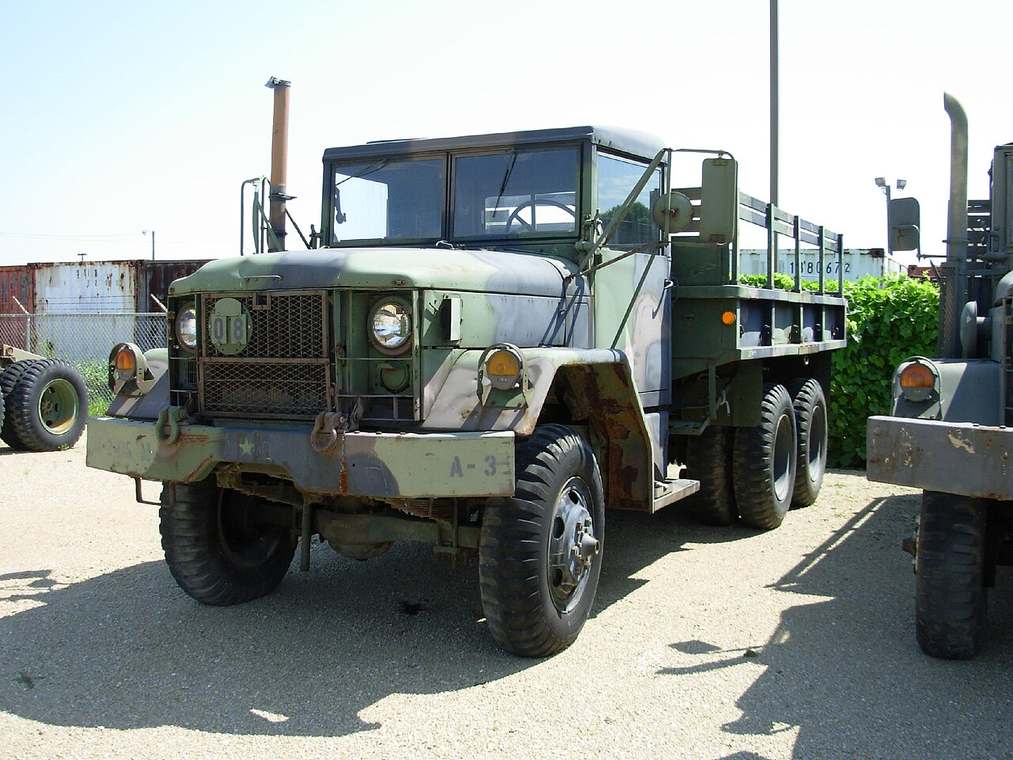
İllüstrativ foto / Illustrative photo: U.S. Army Reserve — Wikimedia Commons. Public domain. Ölçüsü dəyişdirilib və sıxılıb / Resized and compressed.
Related service: Food and grocery transport — to get a price, call 050 209 62 99.

Related posts

Houseplants moving and transport: complete packing guide
Houseplants moving and transport is one of the most sensitive parts of any resid
Cargo transportation in Siyazan: industrial and home moves
Professional cargo transportation in Siyazan plays an essential role in supporti

Hot tub and bathroom furniture moving: safe handling guide
Hot tub and bathroom furniture moving represents one of the most technically dem


Leave a Reply