

Built-in appliance moving: removal, packing, and safe setup
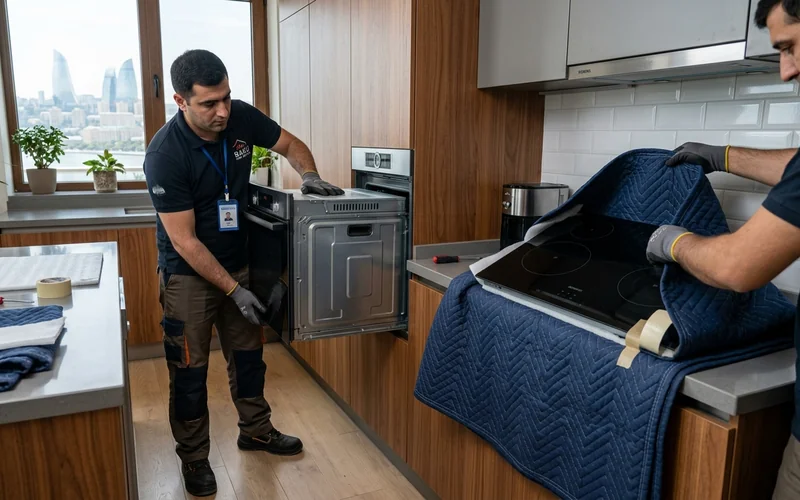
Built-in appliance moving requires meticulous technical planning, specialized handling equipment, and precise execution during any residential relocation. Modern kitchen environments feature integrated induction and glass-ceramic cooktops, built-in convection ovens, and high-performance range hoods designed to fit cabinetry with millimeter tolerance. Relocating these custom fixtures presents unique engineering challenges compared to freestanding refrigerators or general furniture pieces. Careless extraction can shatter fragile ceramic glass, chip expensive custom countertops, or damage delicate electrical harnesses and gas supply lines. Adhering to structured protocols guarantees the flawless preservation of your valuable culinary appliances.
Preparation and Planning for Built-in Appliance Moving
Comprehensive preparation is critical before unfastening any integrated appliance from its cabinetry cavity. Hasty uninstallation can tear wiring looms, bend delicate sheet metal frames, or permanently ruin surrounding cabinetry finishes.
Safe Disconnection of Electrical and Gas Supplies
Safety begins with isolating all power and gas feeds. Electric wall ovens and induction cooktops must be powered down directly at the circuit breaker panel before disconnecting terminal blocks or wall sockets. For gas cooktops, the dedicated supply shutoff valve must be turned completely off. Technicians carefully detach flexible gas hoses and apply heavy-duty brass end caps to seal supply pipes. A soapy water bubble test must be conducted immediately to verify that no residual gas leakage exists.
Cabinet Inspection and Seal Separation
Built-in units are anchored within kitchen cavities using concealed mounting brackets, tension clips, and perimeter silicone beads. Before unseating the appliances, the perimeter seal around cooktops must be delicately sliced using plastic spudgers or specialized utility blades without gouging laminate, quartz, or natural granite countertops. Range hood ductwork must be detached from ventilation shafts, and dampers must be sealed against dust infiltration.
Removing Interior Racks and Fragile Components
All loose oven baking sheets, wire roasting racks, rotisserie spits, and telescopic sliding rails must be removed prior to handling. Transporting an oven with loose internal parts invites severe interior porcelain enamel chipping and risks shattering the internal tempered glass door during transit. Similarly, range hood aluminum grease baffles and charcoal filters should be detached, cleaned, and packed into labeled cartons.
Advanced Packing Materials and Shock Protection
Selecting industrial-grade packing supplies ensures that built-in appliance moving safeguards sensitive electronic controls and glass finishes. Multi-tiered cushioning shields vulnerable assemblies against transit shocks and vibration.
Foam Edge Cushioning for Induction and Ceramic Cooktops
The beveled borders of ceramic and induction cooktops represent their most brittle points. A minor edge impact can send diagonal stress fractures across the entire cooking surface. To prevent this, custom-molded high-density foam edge protectors or extruded polyethylene channel guards must be fitted around the entire perimeter. The glass surface is shielded with bubble wrap and sandwiched between rigid 5-ply corrugated cardboard sheets bound tightly with strapping tape.
Multi-Layered Protection for Wall Ovens and Range Hoods
Built-in ovens possess substantial weight and require a robust protective envelope. The front glass viewing door and digital touch control panels are shielded with non-abrasive anti-static film and heavy cardboard shields, enveloped in heavy-duty bubble wrap, and sealed with tough stretch film. Stainless steel range hoods are shielded with soft non-woven blankets to eliminate friction blemishes and polishing scratches.
Hardware Organization and Cable Management
Disconnected electrical cables must be bundled neatly and taped directly to the rear chassis. Mounting brackets, leveling screws, burner caps, and trim pieces are cataloged into clear zip-seal pouches. These bags are taped securely to the corresponding appliance chassis, ensuring prompt and trouble-free reassembly at the new property.
Disassembly Mechanics and Safe Lifting Techniques
Carefully extracting integrated modules from custom cabinetry proves that built-in appliance moving demands disciplined technical skills. Modern built-in built-in kitchen appliances require mechanical patience and correct hand positioning rather than raw brute force.
Extraction from Niches and Residue Removal
To release an integrated oven, technicians open the door to extract two or four mounting screws threaded into the cabinet stiles. The unit is slid outward along bottom support rails using dedicated handgrips. Cooktops are released by loosening underside tension clamps and lifting the unit straight upward. Residual silicone adhesive clinging to appliance flanges must be softened with solvent and scraped clean.
Ergonomic Lifting Posture and Moving Harnesses
Heavy built-in ovens often weigh between 35 and 50 kilograms. Attempting to lift these awkward metal boxes without assistance places extreme stress on the lower back and increases dropping risks. Professional movers utilize heavy-duty shoulder lifting straps that distribute load across leg muscles while keeping hands available to guide corners through narrow kitchen corridors.
Essential Tools and Equipment Checklist
- Magnetic bit screwdrivers, cordless drivers, and hex key assortments
- Adjustable pipe wrenches and gas-rated Teflon sealing tape
- High-density extruded foam edge guards and corner cushioning caps
- Heavy-gauge bubble wrap rolls and industrial stretch film
- Heavy-duty moving shoulder straps and non-slip handling gloves
- Protective felt blankets to shield delicate countertop surfaces
Logistics in Baku Buildings and Cargo Van Securing
Navigating diverse architectural layouts across Baku reveals that built-in appliance moving involves distinct logistical strategies for vintage and modern buildings. Residential infrastructure directly determines loading protocols.
Modern High-Rises versus Soviet-Era Stairwells
New residential developments (novostroyka) across Baku feature spacious freight elevators that accommodate heavy appliances on four-wheel dollies with shock-absorbing rubber wheels. In contrast, older Soviet buildings such as Khrushchev and Leningrad designs possess narrow stairwells with tight landing clearances and lack cargo elevators. Skilled two-person teams must carry heavy items methodically across stairways without scraping banisters or walls.
Strategic Placement and Ratchet Strapping in the Cargo Box
Inside the enclosed cargo vehicle, built-in ovens are situated flat on the truck deck in their upright operational position and secured to wall tie-off tracks with heavy ratchet straps. Glass cooktops are packed in reinforced vertical crates or positioned flat across padded elevated platforms, completely isolated from heavy cargo that could shift during transit.
Assembly at the New Property and Pricing Factors
Structured scheduling ensures that built-in appliance moving prevents expensive installation delays and keeps overall relocation costs transparent. Upon delivery, appliances must acclimate to room temperatures before power connection.
Integration and Precision Commissioning
At the new destination, cabinetry apertures must match manufacturer technical drawings, allowing necessary ventilation clearances below and behind ovens. Cooktops are resealed with fresh heat-resistant silicone or rubber gaskets to block water penetration into cabinetry. Once gas and electrical hookups are verified, technicians conduct diagnostic test runs to ensure heating elements, ignition sparks, and exhaust fans operate correctly.
Key Variables Determining Moving Costs
Service pricing for relocating built-in kitchen appliances is governed by straightforward metrics:
- Total quantity and specifications of built-in items (ovens, cooktops, hoods)
- Complexity of technical disconnection and re-installation by qualified technicians
- Floor elevations at pickup and delivery sites, including freight elevator access
- Volume of premium packing materials like foam edge cushions and 5-ply cartons
- Driving distance between properties and crew size required for safe transit
To ensure your premium kitchen hardware is relocated safely and without stress, you can effortlessly book verified technicians and equipped vehicles on the Yuk.az logistics platform.
Frequently Asked Questions
How do you remove a cooktop without damaging the countertop?
Never pry cooktops using metal screwdrivers or chisels. Technicians loosen the underside retention clips, apply adhesive solvent around the perimeter seal, and gently push the appliance upward from beneath the countertop to break adhesion evenly.
Can a built-in oven be transported lying on its side or back?
No, built-in ovens should always travel upright in their normal operating orientation. Transporting an oven horizontally can displace internal ceramic wool insulation, warp door hinge alignments, and damage sensitive heating elements due to road vibration.
Why is foam edge cushioning essential for glass cooktops?
Ceramic and tempered glass panels are engineered to endure heavy downward cookware pressure but are vulnerable to acute edge shocks. Foam edge protectors absorb lateral impact energy, eliminating the risk of shattering and edge chipping.
Who should disconnect and reconnect gas-powered built-in units?
Gas appliances should only be disconnected and re-installed by certified, experienced technicians. Improper handling of gas lines risks hazardous gas leaks and violates residential safety regulations.
In summary, professional built-in appliance moving eliminates unnecessary risks and guarantees the long-term functionality of your high-end kitchen appliances. By combining specialized cushioning materials, disciplined disassembly methods, and vetted logistical support, you ensure a safe and seamless kitchen transition to your new home.
Related service: Special cargo transport — to get a price, call 050 209 62 99.

Related posts

TIR cargo transportation in Salyan: Reliable heavy freight
Efficient TIR cargo transportation in Salyan serves as a vital arterial link con
TIR cargo transportation in Yevlakh: FTL Logistics Hub
TIR cargo transportation in Yevlakh serves as a vital logistics artery in the ve

Cargo transportation in Lerik: safe delivery to villages
Cargo transportation in Lerik is an indispensable logistics service for resident

Leave a Reply