

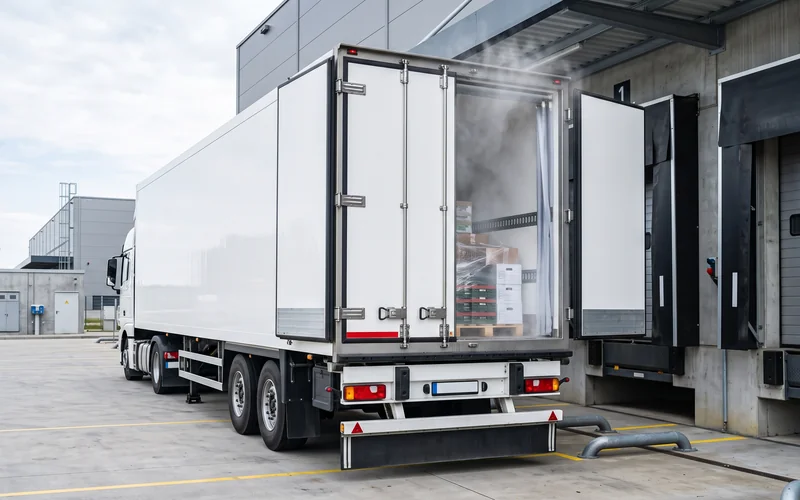
Temperature controlled reefer transport for food safety
Professional temperature controlled reefer transport plays a critical role in preserving the safety, nutritional integrity, and market value of perishable foodstuffs across modern supply chains. High-value food commodities such as fresh meat, dairy items, deep-frozen goods, ice cream, and delicate confectionery require continuous environmental management supported by robust refrigeration machinery. Throughout Azerbaijan, connecting major commercial hubs like Baku, Sumgayit, and Ganja with regional agricultural basins depends heavily on compliant articulated refrigerated semi-trailers capable of safeguarding cold chain integrity against severe ambient temperature variations.
Cold Chain Integrity and Global Food Safety Protocols
The cold chain is an unbroken refrigerated supply network that guarantees temperature stability from the food manufacturing plant to retail distribution centers. A thermal breach of just a few degrees can trigger accelerated bacterial growth, moisture loss, and substantial inventory devaluation.
HACCP Compliance and Critical Control Principles
Under Hazard Analysis Critical Control Point (HACCP) regulations, temperature verification is mandatory before, during, and immediately after loading. Enclosed loading docks equipped with insulated dock shelters prevent warm ambient air from entering the trailer. Pallets are arranged with calculated air channels to allow uniform circulation around the perimeter and base of the cargo.
The ATP Agreement and Class FRC Standards
International carriage of perishable goods is governed by the ATP treaty established by the United Nations. Heavy reefer trailers carrying temperature-sensitive freight are certified under Class FRC (reinforced insulation). This standard certifies that the cooling unit can sustain an internal cargo space temperature of -20°C or colder even when external summer heat exceeds +30°C.
Food Cargo Categories in temperature controlled reefer transport
Different food categories exhibit distinct biological characteristics, demanding precise setpoint management, moisture regulation, and hygienic compatibility during freight transit.
Fresh Chilled and Frozen Meat Logistics
Chilled red meat and poultry must be transported strictly between 0°C and +2°C, whereas frozen portions require temperatures below -18°C. When shipping chilled beef, poultry, and seafood, reliable temperature controlled reefer transport eliminates the hazard of bacterial growth and moisture loss. Trailer interiors undergo rigorous antimicrobial sanitation, and specialized vehicles utilize overhead stainless steel meat hooks for hanging carcasses.
Milk, Cheeses, and Cultured Dairy Products
Sensitive dairy goods and confectionery items demand uninterrupted temperature controlled reefer transport equipped with calibrated multi-zone cooling systems. Fluid milk, butter, and cultured yogurts are maintained between +2°C and +4°C. Stable thermal environments prevent whey separation and fat deterioration throughout long hauls.
Ice Cream and Deep-Frozen Foodstuffs
Ice cream represents the most demanding thermal profile in the commercial food sector. To prevent coarse ice crystallization and texture degradation, reefer units must maintain a rigid setpoint between -22°C and -25°C. Cooling systems run continuously in high-output mode to counteract thermal absorption during highway transit.
Chocolates and Premium Confectionery
Chocolate products and pastries are highly vulnerable to both thermal softening and relative humidity extremes. Ideal transit parameters require temperatures between +14°C and +18°C paired with relative humidity below 65%. Temperature fluctuations induce fat blooming, ruining aesthetic presentation and texture.
Technical Specifications of Refrigerated Semi-Trailers
For regional distribution across Azerbaijan and transit corridors, high-standard temperature controlled reefer transport maintains frozen goods at constant sub-zero levels. Advanced reefer trailers combine thermal insulation technology with intelligent cooling engineering.
Thermo King and Carrier Transicold Systems
The industry relies heavily on independent diesel-driven refrigeration systems manufactured by Thermo King and Carrier Transicold. Dual-temperature (Bi-Temp) configurations feature movable internal partition bulkheads and dual evaporators, enabling the transport of frozen (-18°C) and fresh chilled (+4°C) goods within the same dispatch.
Trailer Dimensions and Air Circulation Engineering
Standard heavy-duty reefer semi-trailers adhere to well-defined mechanical parameters:
- Internal dimensions and capacity: Internal length 13.4 m, internal width 2.46 m, internal height 2.65 m, offering 86 to 88 m³ of volume;
- Payload and pallet capacity: Payload rating of 20 to 22 metric tons, comfortably accommodating 33 standard Euro-pallets;
- T-Bar aluminum flooring: Grooved floor profiles ensuring unhindered airflow beneath pallets back toward the cooling evaporator;
- Thermal envelope: High-density polyurethane foam core with durable, non-porous glass-reinforced plastic lining;
- Digital thermographs: Calibrated onboard data loggers recording thermal readings at frequent intervals for official proof of compliance.
Domestic Routes and Distribution Networks Across Azerbaijan
Food producers recognize that temperature controlled reefer transport under ATP and HACCP protocols protects both their commercial reputation and consumer health. Azerbaijan’s strategic highway grid facilitates fluid movement between regional producers and metropolitan markets.
M1 and M2 Motorway Food Freight Corridors
The M1 motorway serves as the prime trade route for fruit harvests from Khachmaz and Guba, connecting northward to customs terminals. The modern M2 highway links fertile western agricultural hubs including Ganja, Shamkir, and Tovuz directly with Baku and Sumgayit distribution centers.
Southern Produce and the Alat Free Zone
The M3 highway conveys early agricultural produce and citrus from Lankaran. Simultaneously, the Alat International Port and Free Economic Zone serves as an essential intermodal hub for containerized reefer trade across the Caspian Sea transit routes.
Freight Rate Calculation and Commercial Considerations
Reefer freight charges are established individually based on exact shipment requirements rather than static estimates. Because temperature control incurs specific operational and fuel expenses, pricing reflects distinct technical determinants:
- Total driving distance and road surface conditions;
- Target temperature setting (deep-freezing requires increased fuel consumption by the cooling engine);
- Gross cargo tonnage and pallet space utilization;
- Multi-drop delivery requirements along metropolitan retail routes;
- Seasonal demand surges during peak summer harvests.
Logistics planners assess route variables to present transparent, cost-efficient rate calculations tailored to each enterprise.
Frequently Asked Questions
How is temperature compliance verified upon trailer delivery?
Upon arrival at the destination warehouse, the driver extracts a certified thermograph printout directly from the digital data logger. This document visualizes temperature continuity across every stage of the journey.
Can commodities requiring different temperatures share the same trailer?
Yes, multi-temperature trailers equipped with insulated movable bulkheads allow two distinct climate zones, such as -18°C for frozen items and +4°C for chilled goods, with full isolation.
What sanitation standards are maintained between cargo loads?
Trailers undergo high-pressure washing using food-grade antimicrobial sanitizers followed by complete air drying and deodorization before any new food consignment is loaded.
How far in advance should refrigerated transport be booked?
During peak summer months and heavy harvest cycles, securing refrigerated capacity at least 24 to 48 hours prior to the scheduled loading window is strongly advised.
When your enterprise requires uncompromised freshness, strict cold chain integrity, and professional freight handling, Yuk.az provides modern reefer semi-trailers and experienced logistics coordination across Azerbaijan. Contact our logistics specialists today to calculate your route and schedule your shipment.
Related service: Special cargo transport — to get a price, call 050 209 62 99.

Related posts
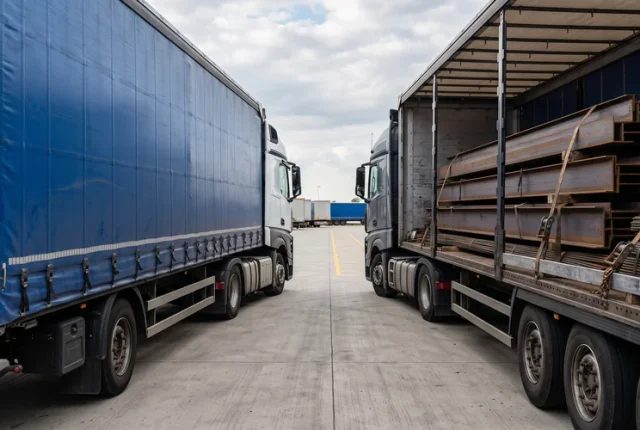
Curtainside vs flatbed trailer comparison: which to choose
When planning heavy road haulage, a detailed curtainside vs flatbed trailer comp
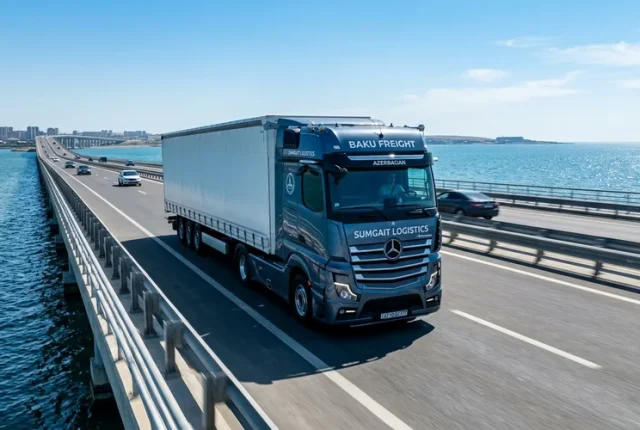
Baku to Sumgait Cargo Moving Service: Daily Express Cargo Taxi and Affordable Rates
Our dedicated Baku to Sumgait cargo moving service provides a seamless and relia
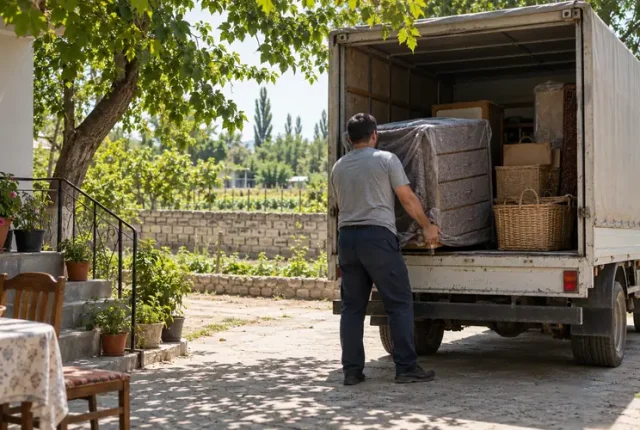
Cargo transportation in Zardab: reliable freight & moving
Reliable cargo transportation in Zardab is an essential logistics service for fa

Leave a Reply