

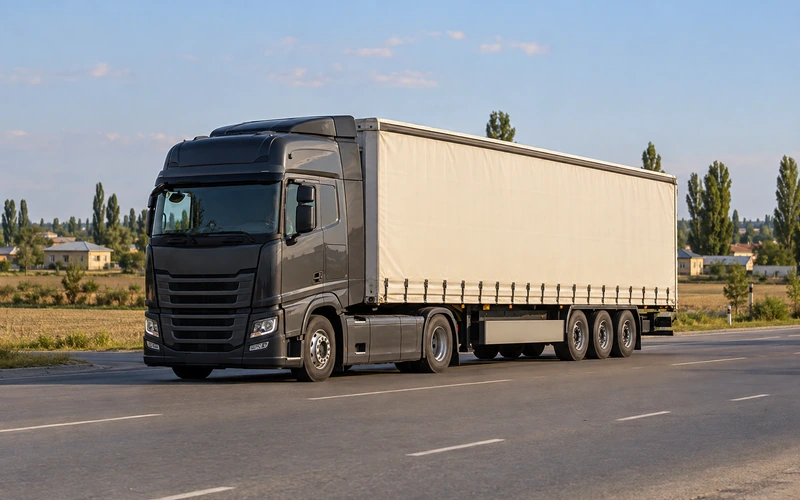
TIR cargo transportation in Barda – Karabakh logistics
Reliable TIR cargo transportation in Barda serves as the backbone of heavy freight logistics across the Karabakh economic zone, connecting local industries with international trade corridors. Situated along the banks of the Tartar River, the historic and strategically vital city of Barda functions as a pivotal distribution hub linking surrounding districts with Baku, the industrial center of Ganja, and national transit highways. Both agricultural produce destined for nationwide supply or export markets and massive volumes of construction materials for regional reconstruction rely heavily on this transportation junction. Our modern commercial vehicle fleet and experienced drivers ensure maximum cargo safety and strict schedule compliance.
Strategic importance of TIR cargo transportation in Barda
The geographic location of Barda demands resilient, heavy-duty road freight solutions. The highway corridor passing through Yevlakh, Barda, and Aghdam acts as a vital supply artery for heavy truck combinations operating toward Aghdam, Tartar, Kalbajar, and Khankendi. Timely TIR cargo transportation in Barda supports large-scale reconstruction efforts and industrial supply chains with dependable vehicle capacity.
Supplying reconstruction projects with industrial materials
Major infrastructure redevelopment programs throughout Karabakh require steady deliveries of cement, rebar, prefabricated concrete structures, brickwork, insulation materials, and road bitumen. Moving these massive consignments requires robust 20 to 24-ton articulated truck trailers capable of handling demanding road gradients. Heavy commercial trucks deliver building materials directly to active construction sites without intermediate reloading delays.
Agro-industrial trade and fresh produce distribution
Barda is widely celebrated for fertile farmlands, extensive cotton farming, wheat cultivation, and expansive vegetable fields. During peak agricultural seasons, TIR cargo transportation in Barda enables farming enterprises to deliver fresh produce to wholesale markets without quality loss. Celebrated local onions, seasonal fruits, melons, and grain commodities move in high volumes directly to major wholesale hubs and food processing factories.
Heavy commercial fleet and semi-trailer specifications
Cargo diversity necessitates tailored transport equipment suited to specific weight ratings, volumetric dimensions, and climate parameters. We maintain a versatile fleet of modern semi-trailers configured for varied industrial needs:
- Standard and mega curtainside trailers: Offering cargo volumes between 86 and 105 cubic meters and payload capacities of 20 to 24 tons. Three-way loading options (top, side, and rear) accelerate warehouse operations and accommodate palletized industrial goods and packaged supplies.
- Refrigerated semi-trailers (reefers): FRC-certified units with calibrated temperature recorders maintaining stable climates between -20°C and +20°C. These trailers protect perishable food supplies, dairy goods, meat, and fresh fruits throughout transit.
- Flatbed and open-sided trailers: Specifically engineered for lengthy steel rebars, precast concrete beams, heavy pipe sections, and oversized construction modules.
- Container chassis trailers: Built for multimodal transport of 20-foot and 40-foot sea containers originating from Baku cargo terminals and the Port of Baku at Alyat.
Transit routes and regional highway infrastructure
Logistical efficiency depends on professional route planning and dynamic road assessment. Heavy vehicles dispatched from Barda navigate primary regional arteries R33 and R28, connecting directly with major national highways including the M2 (Baku-Alyat-Gazakh-Georgia) and M4 (Baku-Shamakhi-Yevlakh) corridors.
Bridge crossings and roadway engineering
Operating loaded 40-ton articulated combinations requires thorough consideration of bridge load capacities across the Tartar River, turning radiuses, and roadway quality. Recent infrastructure modernizations across the regional road network allow heavy trucks to travel safely and maintain prompt delivery intervals.
Real-time GPS tracking and dispatch supervision
Every commercial vehicle in our fleet features advanced satellite GPS tracking units. Our centralized dispatch team continuously monitors travel speeds, planned stopovers, and refrigeration compartment temperatures. Consignors receive real-time visibility into cargo location and estimated arrival schedules.
Axle load regulations and road transport safety standards
Strict adherence to Azerbaijani transportation regulations and highway safety protocols is essential for smooth freight operations. Enforced axle load limits protect national road surfaces and ensure road safety for all vehicles.
Weight limitations and highway weigh station compliance
For standard five-axle articulated combinations, the statutory gross vehicle weight limit is 40 tons, while individual single-axle weight must not exceed 10 tons. To avoid delays at electronic weigh checkpoints, our loading crews distribute weight evenly across trailer axles prior to departure.
Cargo securing systems and freight liability coverage
Cargo stability is maintained through certified tie-down ratchet straps, heavy-duty chains, corner edge protectors, and anti-slip friction mats matching international EN 12195 standards. Every commercial shipment travels under standard carrier liability protection and comprehensive transit documentation.
Commercial freight booking and transparent rate structure
Every transport operation begins with precise cargo assessment. Our logistics team examines cargo dimensions, site access conditions at loading and unloading locations, and tight project timelines to determine the ideal vehicle setup.
Primary cost factors in heavy freight shipping
In heavy commercial trucking, freight charges are customized rather than uniform, reflecting specific transit criteria:
- Total driving distance and prevailing road conditions along the route;
- Net freight weight, cubic volume, and overall pallet count;
- Selected trailer category (curtainside, refrigerated reefer, or flatbed platform);
- Handling requirements and loading dock turnaround times.
We provide all prospective clients with rapid, tailored cost estimates at zero obligation.
Frequently Asked Questions
How are rates calculated for TIR cargo transportation in Barda?
Pricing for TIR cargo transportation in Barda is calculated individually based on mileage, cargo tonnage, trailer type, and loading conditions. Our logistics specialists evaluate each project request to provide transparent, competitive shipping rates.
How is internal temperature regulated inside refrigerated trailers?
Our refrigerated semi-trailers utilize automated thermograph logging devices that monitor temperatures continuously from dispatch to delivery, with digital temperature reports available upon arrival.
Are special transit permits required for shipping into reconstructed Karabakh zones?
Certain reconstructed zones in the Karabakh economic region require official electronic transit permits. Our operations team ensures compliance with all regulatory documentation for uninterrupted border and checkpoint transit.
Is commercial freight insured during transit?
Yes, all shipments are covered under standard carrier liability insurance according to CMR transport regulations. Additional all-risk cargo insurance policies can also be arranged upon request.
When you need a dependable heavy freight partner in the Karabakh region, leverage the nationwide network of Yuk.az. Choose our dedicated fleet for TIR cargo transportation in Barda to ensure smooth dispatching, complete route monitoring, and guaranteed delivery times.
Related service: Moving and cargo services — to get a price, call 050 209 62 99.

Related posts

Cargo transportation in Beylagan: reliable moving services
Cargo transportation in Beylagan is an indispensable logistics service that supp

TIR cargo transportation in Shabran: poultry farms & M1 route
TIR cargo transportation in Shabran is an indispensable logistics service suppor
TIR cargo transportation in Zangilan: Zangezur corridor transit
As the pivotal geopolitical and commercial crossroads of the East Zangezur econo

Leave a Reply