


Refrigerated truck cargo transportation: Cold Chain Guide
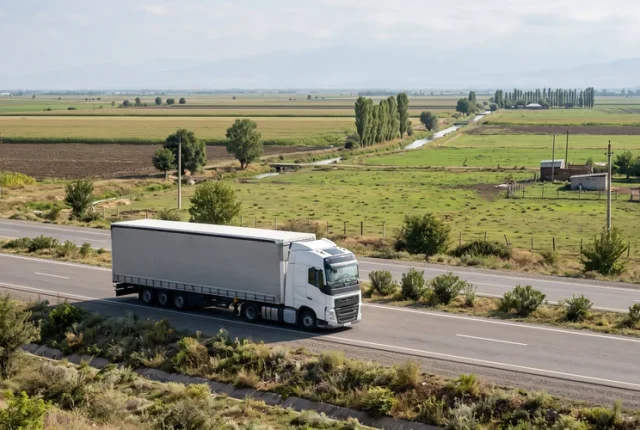
Refrigerated truck cargo transportation is an indispensable component of the modern global supply chain, safeguarding temperature-sensitive commodities across long-distance freight corridors. Whether handling fresh agricultural produce, deep-frozen meats, biological pharmaceuticals, or specialty chemical compounds, preserving an unbroken cold chain is essential for protecting commercial integrity and consumer safety. Accomplishing this demanding task requires state-of-the-art reefer trailers, high-precision refrigeration units, and continuous telematics monitoring.
Refrigerated truck cargo transportation and temperature management
Specialized refrigerated truck cargo transportation ensures that high-value perishables maintain their chemical integrity, biological freshness, and commercial grade without interruption. Modern refrigerated semi-trailers possess the engineering capability to sustain temperature setpoints ranging accurately from -25°C to +25°C, irrespective of external climate conditions. Cargoes are categorized into distinct thermal classifications depending on biological sensitivity.
Deep frozen logistics (-18°C to -25°C)
Frozen poultry, beef, seafood, processed food products, and ice cream require sustained temperatures of -18°C or lower. Any thermal breach invites cellular damage, textural breakdown, and bacterial reactivation, rendering items unfit for retail distribution.
Chilled fresh cargo management (+2°C to +6°C)
Dairy products, fresh meats, prepared delicatessens, and delicate fruits thrive within narrow chilled tolerances. Maintaining continuous aerodynamic air circulation inside the trailer prevents heat pockets from forming between pallet stacks.
Climate-controlled heating mode (+10°C to +20°C)
During severe winter transits across colder regions, certain goods require active compartment heating rather than cooling. Confectionery goods, bananas, tropical flora, and select medical fluids degrade when exposed to freezing temperatures, triggering the refrigeration system to cycle into reverse-heating mode.
Technical specifications of modern reefer semi-trailers
Refrigerated semi-trailers utilize specialized sandwich panels filled with high-density polyurethane insulation foam enclosed by reinforced glass-fiber skins. This construction minimizes thermal leakage and delivers maximum structural rigidity.
- Overall dimensions: Standard length is 13.6 meters, internal width is 2.46 meters, and internal clearance height spans 2.60 to 2.70 meters.
- Payload capacity: Due to heavy insulation and the reefer unit, net cargo payload capacity averages between 20 and 22 tons.
- Pallet capacity: Fully accommodates 33 standard Euro pallets (1200×800 mm) positioned in a standard floor arrangement.
- Internal cubic volume: Generates a usable freight volume of approximately 86 to 88 cubic meters.
- Multi-temperature bulkheads: Movable insulated partitions enable simultaneous transport of frozen and chilled cargoes within separated thermal zones.
Advanced refrigeration units and electronic data loggers
In cross-border trade, refrigerated truck cargo transportation adheres strictly to international ATP agreements and cold chain validation protocols. Equipment reliability is driven by pioneering global engineering manufacturers.
Thermo King and Carrier Transicold cooling technology
The standard-bearers of mobile refrigeration are Thermo King (SLXi platform) and Carrier Transicold (Vector line). These autonomous units feature high-efficiency diesel combustion engines combined with electric standby plugs for dockside operations. To understand trailer classification standards, reviewing educational resources on refrigerated semi-trailers provides valuable baseline knowledge.
Digital data loggers and real-time telematics
Regulatory compliance requires verifiable proof of thermal consistency throughout the transit cycle. Electronic data loggers collect temperature data every few minutes across multiple zone probes. Integrated satellite telematics transmit these telemetry feeds directly to cloud monitoring dashboards. Upon delivery arrival, drivers print out an official certified data receipt for immediate inspection.
Azerbaijan cold chain infrastructure and regional transit
With Azerbaijan positioning itself as a premier logistics hub connecting Central Asia and Europe, refrigerated truck cargo transportation plays a vital role across the North-South and East-West corridors. Regions such as Guba-Khachmaz, Shamkir, Tovuz, and Lankaran produce high volumes of export-grade tomatoes, persimmons, apples, and pomegranates requiring refrigerated transport to international markets.
Key arterial routes like the M1 and M2 highways, together with the modern Port of Baku at Alyat, facilitate swift customs processing and border crossings. Maintaining valid international ATP certificates (specifically FRC class for heavy refrigeration) ensures rapid clearances at veterinary and sanitary checkpoints.
Pricing models and freight cost considerations
Reefer freight rates carry a premium compared to regular dry curtain-side haulage due to constant auxiliary fuel consumption and specialized maintenance demands. Key quotation variables include:
- Route distance and geography: Total transit mileage between collection points, transit times, and anticipated border waiting windows.
- Required temperature setpoint: Sustaining deep negative temperatures under hot ambient summer weather increases fuel consumption significantly.
- Agricultural seasonality: Peak harvest seasons create sudden surge demand for refrigerated capacity across growing regions.
- Pre-cooling protocols: Pre-conditioning trailer air and verifying product core temperatures prior to dock loading.
Frequently Asked Questions
Why is pre-cooling mandatory before loading freight?
Pre-cooling the trailer interior for 1 to 2 hours before loading stabilizes internal wall surfaces to the required transit temperature. Loading products into an unchilled trailer causes surface sweating, frost buildup, and damaging thermal spikes.
Can the truck driver manually adjust the temperature during transit?
No, standard logistics protocols mandate locking the temperature controller once cargo is sealed. Any manual adjustment triggers an automatic alert across telematics dashboards, preventing unauthorized setpoint modifications.
What is the typical weight limit for a refrigerated trailer?
The net payload capacity for a standard 3-axle European reefer semi-trailer is between 20 and 22 metric tons, accommodating 33 pallets within legal gross vehicle weight limits.
When looking for dependable cold chain logistics solutions, arrange your refrigerated truck cargo transportation via Yuk.az for unparalleled reliability and seamless fleet dispatch. Our digital logistics platform ensures access to certified reefers, continuous temperature visibility, and competitive freight rates tailored to your cargo needs.
Related service: Refrigerated cargo transport — to get a price, call 050 209 62 99.

Related posts

Marble table and stone furniture moving: crack prevention guide
Marble table and stone furniture moving represents one of the most technically d
TIR cargo transportation in Tartar: agro and bulk freight
TIR cargo transportation in Tartar plays a pivotal role in supporting regional a

Washing Machine Moving: Transit Bolts, Draining & Tips
Washing machine moving requires meticulous mechanical preparation, careful handl

Leave a Reply