 Skip to the content

Special cargo transport: planning lifting and rigging
Special cargo transport calls for more planning than a routine box or furniture move. A large safe, industrial machine, heavy appliance, or unusually shaped structure must be lifted, moved through the property, secured in a vehicle, and placed at its destination. Each stage affects the next. A clear plan helps the customer describe the job accurately and helps the moving team choose the right people, equipment, and vehicle before the booked day.
Special cargo transport starts with accurate measurements
Record the load’s length, width, height, and verified or estimated weight. Measure again after packaging if padding changes its dimensions. Note detachable parts and projecting components, but do not remove anything that the manufacturer says must stay in place. If the centre of gravity is uneven, tell the team because that can change the lifting points and position in the truck. Photographs from several angles, a label showing the weight, and a short video of the route through the building make the initial discussion much more useful.
Measure the doors, corridors, lift, stairways, ramps, and gates at both ends of the trip. Check ceiling height and the distance from the loading point to where the vehicle can legally stop. A narrow turn or a low threshold can matter more than the road distance between addresses. Ask building management about lift access, loading hours, and any permission needed to enter the property. Share these limits when requesting a quote, rather than waiting until the crew arrives.
Build a practical lifting and rigging plan
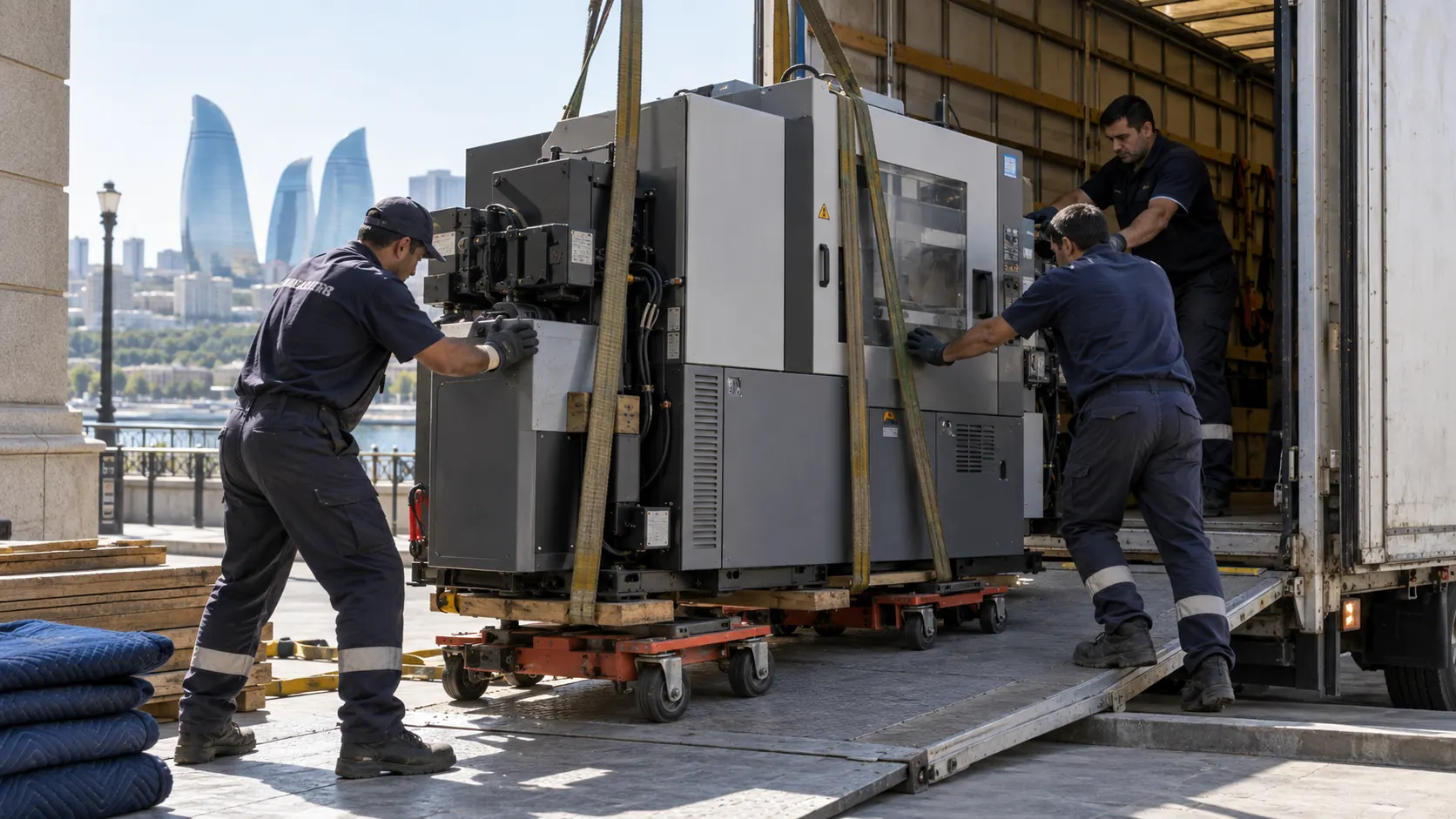
Rigging describes the method and equipment used to raise and move a heavy or awkward item. The plan should identify suitable lifting points, a stable orientation, a clear route, and each worker’s responsibility. It should also specify protective materials and the equipment needed on site. Trolleys, jacks, straps, and slings must be selected for the actual load and working conditions. A manufacturer’s handling guide, if available, should be given to the crew in advance.
Keep bystanders away from the work area while the item is lifted. Nobody should stand below a suspended load or attach a sling to an unverified point. A site visit may be appropriate when measurements are uncertain or access is particularly difficult. The special cargo service page is a useful starting point for describing the work and sending the relevant measurements.
Protect the item and secure it inside the vehicle
Cover sensitive finishes and edges while keeping approved lifting points accessible. Any electrical disconnection or technical dismantling should be handled by a qualified person where required. Protecting the item is only one part of preparation: loose components need labels and a separate list so they can be checked at delivery. The packing guide for fragile items covers general protection principles.
Inside the vehicle, the item must be supported and restrained so it cannot shift during braking or turns. The team should check how weight is distributed, choose suitable securing points, and inspect the restraint before departure. For a longer trip, another inspection at a safe stop can catch a loose strap. Our regional transport guide explains why load security matters on the road.
What determines the quote and schedule?
Distance alone cannot describe a special move. Weight, dimensions, floor level, lift size, carrying distance, access restrictions, crew size, and required equipment all affect the work. Send both addresses, preferred date, photos, measurements, and a list of requested services. State separately whether packing, dismantling, lifting, and installation at the destination are included. The seven details to provide before booking can help you prepare a complete request.
Allow time for clearing the route, protecting surfaces, lifting, securing, unloading, and checking the item. The driving time is only one part of the schedule. If the loading bay or lift must be reserved, arrange that with the property manager early. Confirm who is responsible for disconnecting equipment and moving any obstacles before the crew arrives. These small decisions can prevent avoidable waiting time.
Inspect the load at handover
- Photograph the item’s condition before protective wrapping is applied.
- List detachable parts and accessories and check their count.
- Inspect visible surfaces together after unloading.
- Record any concern with a photograph and written note while both parties are present.
This record is particularly useful for valuable machinery or equipment. The article on documenting transport damage gives more detail about the handover process. Check that all accessories and any removed panels have arrived before closing the job.
Frequently asked questions
Does every heavy item require a crane?
No. The suitable method depends on weight, lifting height, access, and the space around the item. A crew can assess the conditions before choosing equipment.
Can a photo alone produce a firm price?
A photo supports an initial estimate, but accurate dimensions, weight, floor level, and access details may also be needed. An unusual move might require an on-site assessment.
Can I wrap the item myself?
Basic surface protection can be prepared in advance. Avoid covering designated lifting points or changing technical components without discussing it with the team.
Special cargo transport becomes easier to coordinate when measurements, access, lifting, and handover checks are agreed early. Send the details and photographs through the Yuk.az contact page so the team can review the complete job.

Related posts
Quarry dump truck hauling services for mining projects
For demanding infrastructure contracts and aggregate extraction, professional qu

Reliable Yük Taksisi in Baku: Fast and Affordable Service
In today’s fast-paced world, one of the most essential services that peopl

Sürətli Yükdaşıma Services: Save Your Precious Time & Money
Why Should You Choose Sürətli Yükdaşıma Services? In today’s fast-pac


Leave a Reply