

Antique and fine art moving: expert packing and transport guide
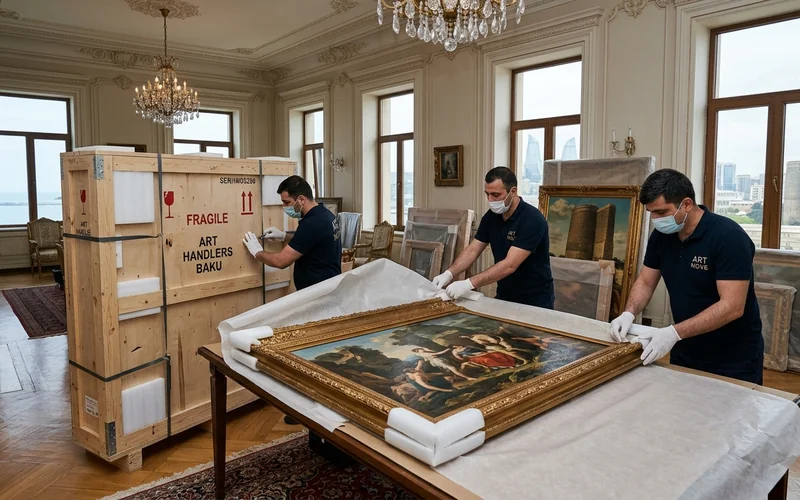
Antique and fine art moving represents one of the most sophisticated and demanding disciplines in the entire logistics industry. Private collections accumulated over generations, masterfully executed oil paintings on linen canvas, intricately carved gilded frames, and fragile porcelain sculptures hold profound emotional, historical, and monetary value. When relocating to a new residence, conventional furniture moving techniques and generic cardboard boxes are entirely inadequate for safeguarding irreplaceable artistic treasures. Even minor road vibrations, sudden humidity fluctuations, or inappropriate contact materials can cause permanent damage to delicate paint layers and antique joinery. Consequently, executing a flawless art relocation requires rigorous condition assessments, museum-grade archival packing supplies, custom-engineered timber crates, and impeccably orchestrated handling procedures.
Antique and Fine Art Moving: Comprehensive Assessment and Planning
Before disturbing a single artifact from its display position, a meticulous risk evaluation must take place. Professional art handlers systematically audit each item to develop tailored preservation protocols.
Detailed Condition Reporting and High-Resolution Photography
Every fine art piece undergoes comprehensive documentation under calibrated lighting. Existing paint crazing (craquelure), previous restoration joints, gesso stability on ornate frames, and microscopic hairline fractures in porcelain are recorded in high-resolution inspection logs. This formal condition report establishes an incontrovertible benchmark before transit begins.
Structural Examination of Canvases and Gilded Frames
Oil paintings on stretchers are exceptionally sensitive to ambient tension. Corner expansion keys must be checked for proper fit without over-tensioning aged linen. Baroque and Rococo frames adorned with fragile gold leaf and plaster moldings require custom foam contours to prevent ornate decorative carvings from breaking off during handling.
Evaluation of Fragile Porcelain, Ceramic, and Bronze Statues
Three-dimensional artifacts present irregular centers of gravity and delicate projections such as fingers, wings, or petals. Assessing weight distribution enables technicians to construct bespoke internal support fixtures that cradle the sculpture securely.
Archival Packaging Materials and Protective Techniques
Standard moving plastics and newsprint must never come into direct contact with precious works of art, as ink transfer and chemical plasticizers cause irreversible surface degradation. Successful antique and fine art moving relies exclusively on museum-approved, acid-free packaging supplies.
Glassine Acid-Free Paper and Moisture Barriers
The painted surface of an oil canvas must first be shielded with glassine paper — a specialized smooth, neutral pH, air-permeable material that prevents static cling and will never stick to vulnerable varnish. A secondary vapor-barrier layer is applied outside the paper wrapping to protect the artwork from ambient humidity shifts.
Custom Wooden Art Crates and Shock-Absorbing Foam
High-value paintings and fragile sculptures require heavy-duty wooden art crates custom-built from exterior-grade plywood or timber. The interior of each crate is lined with high-density closed-cell polyethylene foam (polyfoam) carved to the exact profile of the piece. Porcelain sculptures are wrapped in archival tissue paper before being nested into shock-absorbing biodegradable packing fill.
Corner Edge Protectors, Bubble Wrap, and Moving Blankets
Frame corners are fortified with dense foam or multi-ply corrugated edge guards to withstand lateral impacts. Multiple layers of heavy bubble wrap encase the entire assembly, followed by thick padded moving blankets to form a resilient thermal shield.
Handling Protocols, White Gloves, and Building Navigation
When handling authentic museum-grade antique pieces, physical movement demands deliberate physical mechanics and specialized gear.
Mandatory Use of Clean White Cotton Gloves
Touching paintings, gilding, or polished bronze with bare fingers transfers skin oils, salts, and moisture that can trigger oxidation and permanent tarnishing. Art handlers always wear lint-free white cotton or powder-free nitrile gloves during every stage of handling.
Navigating Baku Residential Architecture and Stairwells
Baku properties present unique architectural challenges, ranging from narrow, winding stairwells in pre-revolutionary buildings and compact Soviet-era apartments to high-rise modern developments. In properties lacking freight elevators, large wooden art crates are carried manually by synchronized two-person teams using heavy-duty lifting straps. In contemporary residential towers, freight elevator interiors should be lined with protective padding to eliminate incidental contact with building walls.
Essential Art Moving Equipment Checklist
- Museum-certified acid-free glassine paper and vapor-seal wrap
- Multi-layer heavy-duty bubble wrap and corner cushioning blocks
- Custom-built wooden crates with custom-cut foam cavities
- White cotton inspection gloves and non-marring lifting harnesses
- Pneumatic rubber-wheeled transport dollies with vibration isolation
- Load-securing ratchet tie-down straps with soft edge protectors
Van Securing, Shock Absorption, and Climate Caution
During the transit phase, antique and fine art moving faces dynamic road stresses, braking forces, and environmental exposure. Improper van placement can irreparably warp stretched canvas fabric.
Strict Vertical Orientation and Ratchet Strap Restraints
Framed paintings must never be laid flat on cargo van floors or stacked horizontally beneath other boxes. The downward weight causes canvas sagging and radial craquelure fractures. Instead, all paintings and crates are placed upright on edge along interior van walls, cushioned with thick moving pads, and securely locked with heavy ratchet tie-down straps.
Microclimate Stability and Environmental Safeguards
Baku’s coastal climate features scorching summer heat and humid winter winds. Sudden temperature shocks cause wooden frames to expand or contract rapidly, leading to cracked gesso and peeling pigment. Dedicated art transport uses enclosed, climate-insulated cargo vans during moderate daily timeframes to maintain thermal equilibrium.
Vibration Damping and Chauffeur Technique
Transport vehicles are driven at controlled speeds, avoiding sudden lane maneuvers and harsh braking. Lining the cargo deck with anti-vibration rubber mats effectively dampens road shock throughout transit.
Acclimatization, Installation, and Pricing Breakdown
Upon reaching the destination, the delicate art relocation procedure enters its final installation stage. Allowing artworks to adapt gently to the new home environment ensures sustained structural integrity.
Acclimatization Period Before Unpacking
Never open sealed wooden crates immediately after delivery into an air-conditioned or heated home. Artworks must remain inside their sealed packaging for three to four hours to achieve gradual thermal stabilization. Rushing the unpacking process creates micro-condensation that harms delicate canvas surfaces.
Wall Mounting and Secure Hanging Systems
Heavy antique frames must be anchored with heavy-duty picture rails or steel anchor bolts suited to the wall substrate (concrete, masonry, or drywall). Artworks must be positioned far from direct sunlight exposure and heating vents to preserve canvas life.
Key Factors Influencing Art Moving Costs
Pricing for fine art and antique logistics is established through transparent criteria:
- Total quantity, dimensions, vulnerability, and appraisal value of items
- Construction specifications for custom wooden crates (crating requirements)
- Floor levels, staircase dimensions, and availability of freight elevators
- Transit route distance and deployment of climate-insulated vehicles
- Number of specialized art technicians and professional handlers required
If you are planning to relocate valuable artworks, historical heirlooms, or private collections safely across Baku and Azerbaijan, the comprehensive platform Yuk.az provides vetted specialists, professional packing, and specialized transport vehicles to make your move worry-free.
Frequently Asked Questions
Can stretch wrap be applied directly over an oil painting?
No, stretch wrap should never come into direct contact with oil paintings. Plastic film traps moisture against the pigment, triggers chemical interactions with varnish, and can pull away paint flecks upon removal. An initial layer of acid-free glassine paper is strictly required.
Why are custom wooden crates necessary for framed paintings?
Custom wooden crates provide a rigid, puncture-resistant shell that absorbs structural pressure, road shocks, and accidental impacts during staircase maneuvering, ensuring absolute safety for valuable frames and canvases.
What is the safest method to transport delicate porcelain figurines?
Figurine extremities are cushioned with cotton wadding, the piece is wrapped in acid-free tissue and bubble wrap, and then suspended within a rigid container filled with shock-absorbing packing peanuts to eliminate all movement.
How do weather conditions affect antique and fine art moving?
Extreme heat, cold, or high humidity can warp wooden stretchers and degrade antique finishes. Transport should always utilize weather-sealed vehicles, and crated artworks must be allowed time to acclimatize before unpacking.
Ultimately, antique and fine art moving demands uncompromised craftsmanship, patience, and scientific packaging standards. By combining museum-grade archival protection, bespoke wooden crating, and experienced handling professionals, your cherished masterpieces will arrive at your new residence in immaculate condition, preserving their legacy for years to come.
Related service: Home moving — to get a price, call 050 209 62 99.

Related posts
TIR cargo transportation in Beylagan: agriculture & freight
Reliable TIR cargo transportation in Beylagan plays a critical role in supportin

Insured cargo transport: documenting damage after a move
Insured cargo transport requires a clear answer to what “insured” actually c

TIR cargo transportation in Mingachevir: industrial logistics
TIR cargo transportation in Mingachevir plays a critical role in supporting indu

Leave a Reply