

Open platform trailer cargo shipping: heavy haul logistics guide
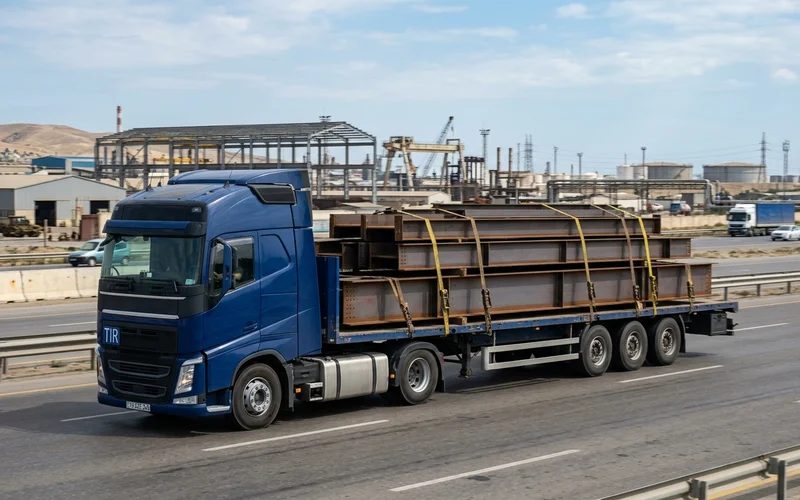
When dealing with oversized industrial structures and heavy precast components, professional open platform trailer cargo shipping represents the most versatile and efficient transport method available. Unlike conventional dry vans or curtain-sided trailers, open platforms eliminate the restrictions imposed by fixed sidewalls, corner posts, and hard roofs. This open-deck architecture allows cranes, heavy forklifts, and overhead hoists to perform unobstructed top and side loading, drastically reducing turnaround times at freight terminals and construction sites.
Open Platform Trailer Cargo Shipping: Technical Specifications
Open deck semi-trailers are built to withstand severe static and dynamic forces while maintaining optimal stability along long-distance highway routes. Their rugged engineering guarantees that heavy concentrated loads do not deform the main chassis beams.
Platform Dimensions and Weight Capacity
A standard open deck trailer typically measures 13.6 meters in length with an overall deck width ranging between 2.48 and 2.55 meters. The platform floor is constructed from reinforced phenolic plywood or high-traction checkered steel plates designed to resist heavy point loading. Regarding payload capability, modern tri-axle configurations can transport between 24 and 28 metric tons within legal highway weight boundaries. For out-of-gauge elements, open trailers accommodate overhangs subject to statutory permitting.
Axle Load Distribution and Center of Gravity
Careful weight distribution is critical to prevent exceeding statutory axle limits across drive and trailer axles. Improper balance negatively impacts steering responsiveness and increases braking distances. Certified logistics engineers meticulously calculate the payload center of mass, ensuring that open platform trailer cargo shipping maintains neutral balance throughout sudden maneuvers and steep highway inclines.
Key Industrial Cargo Categories for Open Platforms
A broad range of heavy industries relies on open-deck transport solutions to move critical machinery, building components, and bulk materials. The specialized digital logistics network Yuk.az coordinates premium open fleet vehicles to meet stringent delivery timelines across the region.
Structural Steel, Beams, and Trusses
Pre-engineered steel building components, long industrial beams, overhead crane girders, and welded roof trusses often feature irregular lengths that cannot fit inside enclosed trailers. Carrying these components on open platforms allows straight runs directly from fabrication plants in industrial parks to assembly job sites without intermediate re-handling.
Reinforced Concrete Panels and Precast Elements
Civil engineering works, bridge decks, and high-rise commercial structures require heavy precast concrete beams, foundation blocks, and architectural slabs. Transporting these dense structural pieces demands flat, level decks equipped with specialized timber dunnage to dampen road vibrations and eliminate edge chipping during transit.
Industrial Machinery, Turbines, and Generators
High-capacity power transformers, industrial generators, oilfield skids, and processing tanks are too tall or bulky for standard side doors. They are vertically hoisted onto open platforms using mobile hydraulic cranes and locked in place using engineered multiple-point lashing arrangements.
Cargo Securing Standards: Chains, Webbing Straps, and Blocking
Cargo securement on an open deck is governed by strict transport safety regulations to ensure that no shift occurs under acceleration, heavy braking, or cornering. Industry standards aligned with recognized Flatbed transport engineering principles mandate multi-layered restraint protocols.
Grade 70 and Grade 80 Lashing Chains
High-tensile steel transport chains equipped with ratchet-style load binders are deployed for dense, heavy machinery and structural steel. Chains connect trailer deck lashing rings directly to certified lifting eyes on the cargo, ensuring zero slack under severe dynamic forces.
High-Tenacity Polyester Webbing Straps
For crated machinery, bundled materials, or finished steel with sensitive protective coatings, wide polyester ratchet straps offer exceptional clamping tension without surface scratching. Heavy-duty polymer corner protectors are inserted between straps and sharp edges to prevent webbing abrasion.
Anti-Slip Rubber Mats and Hardwood Dunnage
Friction mats installed beneath cargo contact points dramatically increase the friction coefficient against the deck floor. Kiln-dried hardwood dunnage and heavy wheel chocks are securely spiked into position to prevent any longitudinal or lateral load creep.
Route Engineering and Transit Corridors in Azerbaijan
Executing smooth open platform trailer cargo shipping requires rigorous route reconnaissance. Logistics teams analyze road profiles, overhead clearances, and weight bridges along key Azerbaijani trade corridors.
- Sumgayit Industrial Zone: Primary origin for structural steel products, large-diameter pipes, and manufacturing assemblies bound for construction sites across the country.
- Baku International Sea Trade Port (Alyat): Essential hub connecting the Trans-Caspian corridor where transshipped machinery moves via M2 and M3 motorways.
- Highway M2 (Baku to Ganja and Georgian Border): Main westward arterial route requiring careful overhead bridge height checks for high-profile platform loads.
- Highway M1 (Northern Corridor): Critical freight artery handling heavy materials moving toward northern regional infrastructure projects and the Samur border.
Cost Structure and Freight Rate Determination
Transport expenditures for open deck trucking are calculated based on transparent project variables rather than generic flat rates.
Distance, Dimensions, and Regulatory Permits
Primary cost components include total mileage, cargo gross weight, and spatial dimensions. If freight width exceeds 2.55 meters or overall transit height surpasses 4.0 meters, our team handles oversized permits and provides required escort vehicles to comply with road traffic authority regulations.
Handling Demands and Crane Synchronization
Site loading conditions, crane availability, and dwell times also impact total project estimates. Utilizing dependable open platform trailer cargo shipping ensures seamless coordination between loading crews and transport operators, preventing expensive job site delays.
Frequently Asked Questions
What is the maximum payload capacity of an open platform trailer?
Standard tri-axle open platform semi-trailers carry between 24 and 28 metric tons of legal payload, depending on tractor tare weight and local highway axle configurations.
When does an open platform load require oversized cargo permits?
Special authorization is mandatory when freight dimensions exceed legal limits, such as a deck width beyond 2.55 meters, overall road height above 4.0 meters, or total vehicle combination length exceeding 20 meters.
How is sensitive cargo protected against weather on open trailers?
Whenever open platform trailer cargo shipping involves moisture-sensitive assemblies, the cargo is professionally shrink-wrapped in heavy industrial film or securely sheeted with waterproof tarpaulins prior to departure.
How can I get an accurate price quote for my shipment?
Freight rates depend on route length, physical dimensions, total tonnage, and site loading constraints. Contact our logistics dispatchers for a tailored rate calculation and complete logistical route support.
Related service: Special cargo transport — to get a price, call 050 209 62 99.

Related posts

Regional cargo transport: securing loads for the road
Regional cargo transport keeps goods in the vehicle for a longer journey, so pac
TIR cargo transportation in Gadabay: mountain logistics routes
Navigating demanding high-altitude terrain and supporting an expanding industria

TIR cargo transportation in Zardab: grain and cotton haulage
TIR cargo transportation in Zardab serves as a vital logistics backbone connecti

Leave a Reply